Past Decade

How Has Truss Manufacturing Changed Over the Past Decade?

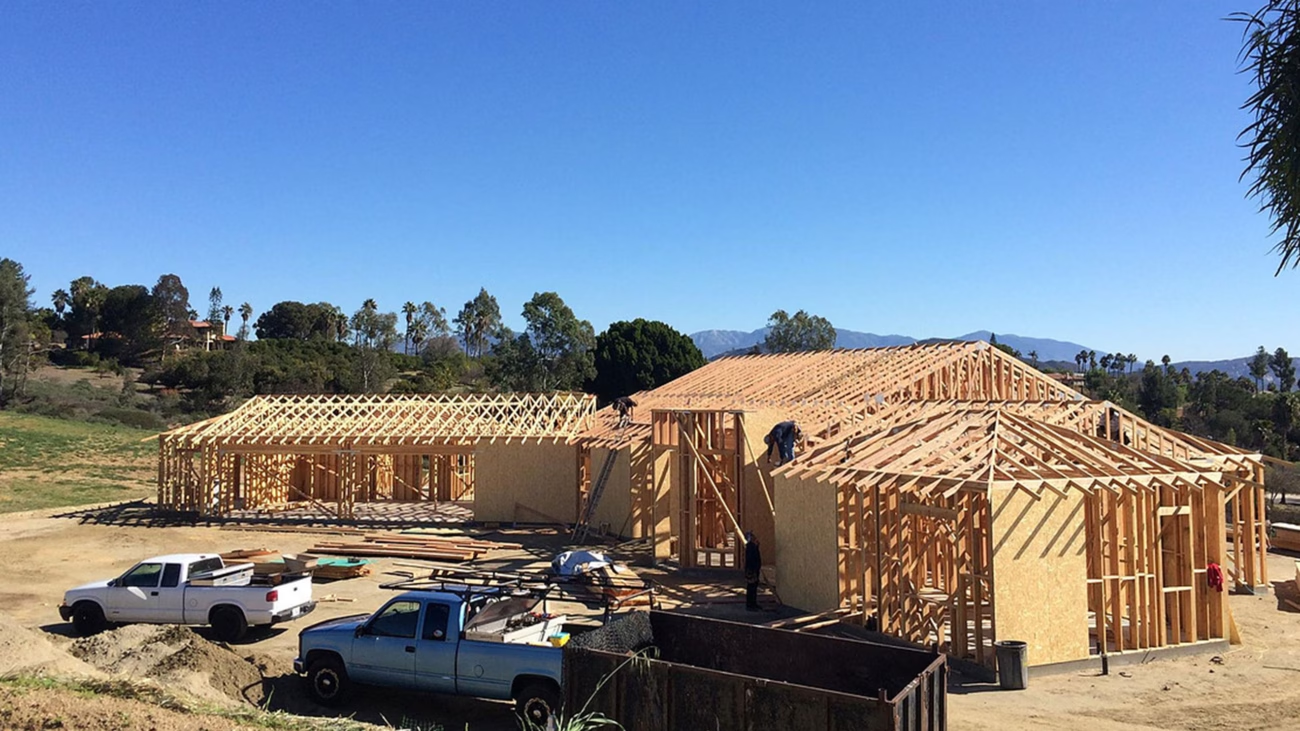
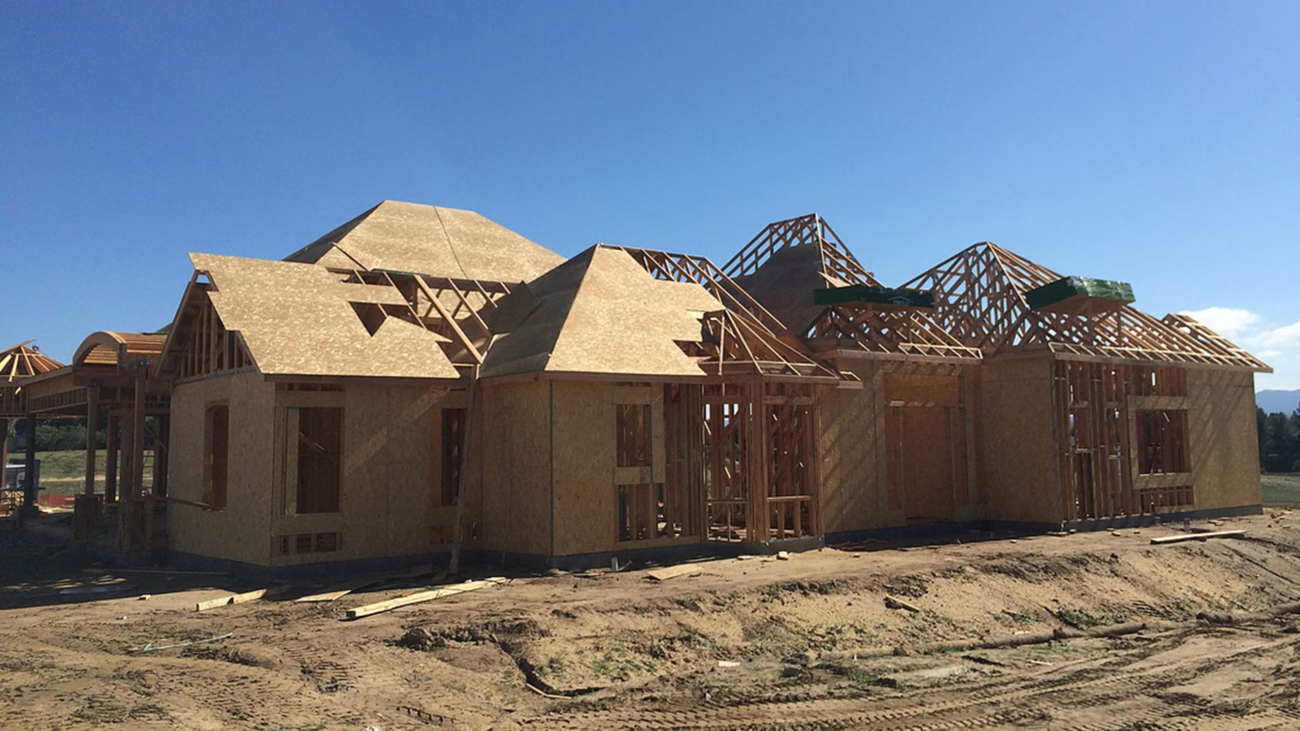
Manufacturers of wooden roof and floor trusses represent a vital segment of the construction and building materials sector. This industry has seen significant evolution and growth in recent years. Wooden trusses are essential components in residential, commercial, and industrial buildings, providing structural support and stability to roofs and floors. Despite the overwhelming popularity of truss products, however, the industry is not immune to the pressures or advantages of various factors that affect construction in general, including technological advancements, economic trends, and environmental considerations.

Technological Advancements
One of the most notable trends in the wooden truss industry, particularly in the past decade, has been the adoption of advanced technologies. Computer-aided design (CAD) and computer-aided manufacturing (CAM) have revolutionized the way trusses are designed and produced. These technologies allow for precise measurements and efficient production processes, reducing waste and increasing productivity. Additionally, Building Information Modeling (BIM) has become increasingly popular, enabling better collaboration among architects, engineers, and construction professionals. BIM enhances the accuracy of truss designs and improves the overall efficiency of construction projects.

Sustainability and Environmental Impact
Sustainability and impact on the environment has become a significant concern in the wooden truss industry. As the construction sector increasingly focuses on green building practices, the demand for sustainable and eco-friendly materials has risen. Wooden trusses, being made from a renewable resource, offer a more sustainable alternative to steel or concrete. Many manufacturers are now sourcing wood from certified sustainable forests and employing practices that minimize environmental impact. Furthermore, innovations in wood treatment and preservation have extended the lifespan of wooden trusses, making them a more durable and sustainable choice.

Economic Trends
The wooden truss industry is closely tied to the broader construction market, which is influenced by economic conditions. In recent years, the construction sector has experienced fluctuations due to economic uncertainties, housing market trends, and interest rate changes. However, there has been a consistent demand for residential construction, driven by population growth and urbanization, which has positively impacted the wooden truss market. Additionally, the rise of prefabricated and modular construction methods has boosted the demand for trusses, as these methods often rely on pre-engineered components for quick assembly and cost efficiency.

Challenges and Opportunities
Despite its growth, the wooden truss industry faces several challenges. Labor shortages in the construction sector can lead to delays and increased costs for truss manufacturers. Ensuring a skilled workforce is essential for maintaining quality and meeting project deadlines. Additionally, fluctuating lumber prices can affect profitability, as wood is the primary raw material for trusses. Trade policies and tariffs on imported lumber can also impact the industry.

However, these challenges present opportunities for innovation and improvement. Automation and robotics are being explored to address labor shortages and enhance production efficiency. Companies are also investing in research and development to improve wood treatments, making trusses more resistant to pests and environmental damage. Moreover, digital tools and software are being utilized to streamline supply chains and improve project management.

The wooden truss industry today is characterized by technological advancements, a focus on sustainability, and an ever-changing economic landscape. As the construction sector continues to evolve, the demand for efficient, durable, and eco-friendly building components like wooden trusses is expected to grow. By embracing new technologies and sustainable practices, the industry can overcome challenges and capitalize on emerging opportunities, ensuring its continued relevance and success in the construction market.

At Stone Truss, we work with the latest in technology, innovation and sustainable practices to deliver the highest quality truss products possible. Give us a call today to see what we can do for you!

Environmentally Friendly Methods

Using Environmentally Friendly Methods in Producing Wooden Trusses

Producing wooden trusses, which are a key component in construction and are widely used throughout the industry, can have a significant environmental impact. However, by adopting environmentally friendly practices, manufacturers can reduce their carbon footprint and promote sustainability.

Prioritizing the environment is always a key consideration when producing any type of construction elements, particularly in high-density areas where there will be many houses or businesses built in a short period of time. To that end, here are some key practices that truss manufacturers can use to protect the environment and make the planet cleaner.

Efficient Manufacturing Processes
Adopting efficient manufacturing processes can significantly reduce the environmental impact of producing wooden trusses. Techniques such as computer-aided design (CAD) and computer numerical control (CNC) machinery can optimize the cutting and assembly of trusses, minimizing waste and improving precision. Additionally, using energy-efficient machinery and renewable energy sources, such as solar or wind power, can further reduce the carbon footprint of the manufacturing process.

Recycling and Waste Management
Effective recycling and waste management practices are essential for sustainable truss production. Wood scraps and sawdust generated during manufacturing can be repurposed for other products, such as particleboard, or used as biomass for energy production. Implementing a zero-waste policy, where all by-products are recycled or reused, can greatly enhance the environmental friendliness of the manufacturing process. Moreover, manufacturers can collaborate with suppliers and customers to create a circular economy, ensuring that wood products are recycled at the end of their life cycle.

Non-Toxic Treatments and Finishes
Traditionally, wood treatments and finishes can contain harmful chemicals that pose environmental and health risks. Environmentally friendly practices involve using non-toxic, water-based preservatives and finishes that protect the wood without releasing volatile organic compounds (VOCs) into the atmosphere. These treatments ensure the durability and longevity of the wooden trusses while minimizing their environmental impact.

Innovation and Continuous Improvement
Continuous innovation and improvement are crucial for maintaining environmentally friendly practices in wooden truss production. Investing in research and development can lead to new materials, technologies, and processes that enhance sustainability. Regularly reviewing and updating manufacturing practices to incorporate the latest sustainable technologies and methods ensures that the industry remains at the forefront of environmental stewardship.

Adopting environmentally friendly practices in producing wooden trusses is not only beneficial for the planet but also for the industry and consumers. By sourcing sustainable wood, using engineered wood products, optimizing manufacturing processes, managing waste effectively, using non-toxic treatments, and improving transportation logistics, manufacturers can significantly reduce their environmental impact. Continuous innovation and commitment to sustainability will ensure the long-term viability of the industry while contributing to a healthier and more sustainable world.

At Stone Truss, we believe in supporting the environment through sustainable practices in our manufacturing and delivery of wooden floor and roof trusses. Contact us today to talk to our friendly professionals about how you can do your part to help the environment while, at the same time, lowering your construction costs!

Quality Roof Trusses

What To Look For In Quality Roof Trusses

When it comes to the structural integrity of a building, roof trusses are one of the most important components. Trusses play a pivotal role in supporting the weight of the roof, distributing it evenly across the structure, and resisting various environmental stresses such as wind, snow, and seismic activity. Therefore, it is important that builders understand what to look for in quality roof trusses to ensure stability and durability.

Some of the key factors to consider when evaluating roof truss products include:

  • Material Quality. The materials used in constructing roof trusses are one of the most important factors in ensuring a quality final product. Typically, trusses are made from readily available wood species such as pine, fir or spruce. Regardless of the material, the builder should choose a truss company that ensures that their product meets industry standards for strength, durability, and resistance to decay or corrosion.
  • Design Precision. The design of roof trusses should be done by an engineer who pays attention to the specific requirements of the building for which they are intended. Factors such as roof pitch, span, load-bearing capacity, and local building codes must all be taken into account during the design process. Reliable Truss companies utilize advanced engineering software to ensure accuracy in their products.
  • Manufacturing Standards. Quality roof trusses are manufactured according to rigorous standards and protocols. Adherence to industry standards such as those set by the Truss Plate Institute (TPI) is essential. This includes proper spacing and installation of truss connectors and plates.
  • Structural Integrity. When trusses are well-designed and well-built, they can withstand the loads imposed by the roof, as well as external forces such as wind uplift and seismic activity. Builders should always inspect trusses for signs of warping, twisting, or damage that could compromise their strength and stability before installing them.
  • Code Compliance. Building codes and regulations dictate minimum standards for roof truss design, installation, and performance. Ensure that the trusses meet or exceed the requirements stipulated by local building authorities and relevant building codes such as the International Building Code (IBC) or International Residential Code (IRC).
  • Warranty and Support. Reputable manufacturers and suppliers of roof trusses often provide warranties on their products, guaranteeing their quality and performance for a certain period. Additionally, builders should consider the availability of technical support and assistance in case of any issues or concerns during installation or after completion.
  • Environmental Considerations. Sustainable and eco-friendly options for roof trusses, such as using responsibly sourced timber, are becoming increasingly important. Builders should look for truss manufacturers with a dedication to minimizing environmental impact while still producing quality trusses.
  • Cost-Effectiveness. While quality should never be compromised, builders should also consider the cost-effectiveness of roof trusses. Compare quotes from different suppliers, taking into account factors such as material quality, design complexity, manufacturing methods, and long-term maintenance requirements.

By considering these factors, builders and homeowners can make informed decisions when selecting roof trusses for their projects and ensure that their homes and businesses will be sound and safe for years to come.

At Stone Truss, we pride ourselves on producing the highest possible quality roof and floor trusses. Give us a call today to learn how we can help you choose the right trusses for your next project!

Optimizing

Optimizing Mechanical Systems with Open Web Trusses: A Game Changer for Building Efficiency

Introduction:
Welcome to our latest blog, where we explore the innovative world of open web trusses and their impact on mechanical systems. Truss companies, renowned for designing and fabricating essential components of building structures, are increasingly recognizing the benefits of open web trusses in mechanical system implementation. Today, we delve into how these structures are revolutionizing the efficiency and ease of mechanical system management in buildings.

What Are Open Web Trusses?

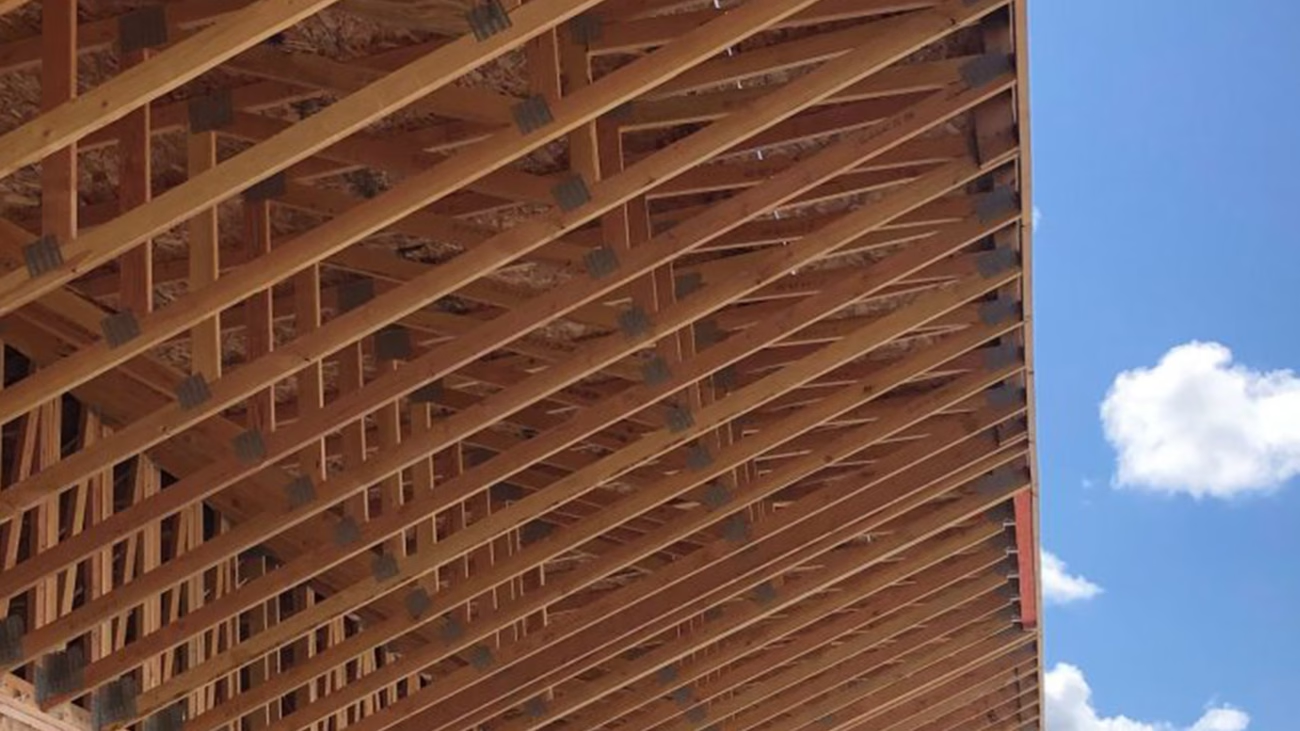
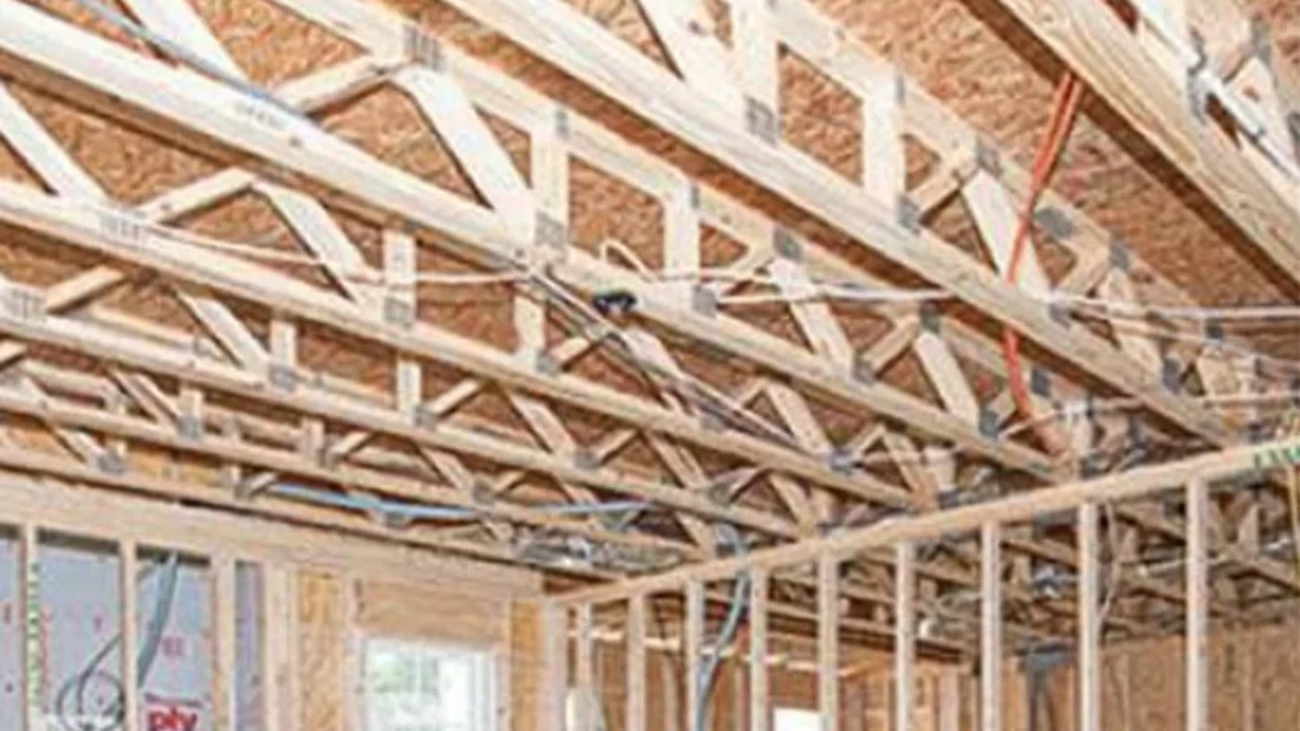
Open web trusses are a type of structural framework characterized by their triangular, open-web design. Lightweight yet robust, they are ideal for supporting various mechanical systems, such as HVAC (heating, ventilation, and air conditioning), plumbing, and electrical wiring. Their design facilitates easy access and efficient distribution of these systems within a building.

Advantages in Mechanical System Installation and Maintenance:

  1. Ease of Access: The open design of these trusses provides technicians with unobstructed access for installing and maintaining mechanical systems, significantly reducing time and labor costs.
  2. Flexibility in Design: Open web trusses offer unparalleled customization, accommodating any building’s specific mechanical system requirements, making them ideal for building projects dealing with diverse infrastructure needs.
  3. Cost Efficiency: Simplifying the installation process and reducing the need for additional framing or support, open web trusses can lead to substantial cost savings. This efficiency is beneficial for builders looking to optimize operational expenses.
  4. Enhanced Safety: The strength of open web trusses ensures a secure foundation for mechanical systems, crucial for maintaining the integrity of building structures and operations.

Case Studies:
Several builders have successfully implemented open web trusses in their projects. Some builders have reported a 30% reduction in HVAC system installation time and highlighted the ease of future electrical system upgrades due to the accessible design of the trusses.

Future Outlook:
The integration of open web trusses in building design is expected to become more prevalent, especially for builders that value efficiency, safety, and cost-effectiveness. This innovation is part of a broader trend towards smarter, adaptable building practices.

Conclusion:
The adoption of open web trusses marks a significant step forward in optimizing mechanical systems in buildings. Their benefits in accessibility, flexibility, cost savings, and safety make them an appealing choice. As this technology continues to evolve, we anticipate a substantial impact on the operational efficiency of the construction industry.

Stay tuned for more insights into technological advancements in building practices, and feel free to contact us for further information on optimizing building mechanical systems with open web trusses. If you need a bid for your project, call Stone Truss today at (760) 967-6171.