Stone Truss San Diego

Roof and Floor Truss Products

Roof and Floor Truss products have gained significant recognition for sustainability. Using wood trusses for roof structres, particularly in residential and commercial construction, offers numerous environmental benefits, from resource efficiency to carbon sequestration and energy savings. As the demand for green building materials grows, Trussed Roofs and Floors stands out as a reliable and sustainable choice.

There are several reasons that wood trusses have become a popular choice for builders who want to protect the environment:

  • Wood is a renewable resource. Wood trusses are typically made from sustainably harvested timber, a renewable resource that, when managed responsibly, provides a lower environmental impact than non-renewable materials like steel or concrete. The forestry industry has developed practices such as selective logging, replanting, and conservation efforts to ensure that timber resources are renewed. Responsible forest management helps reduce deforestation and allows forests to regrow, supporting biodiversity and ecosystem health.
  • Wood helps with carbon sequestration. Wood is a natural carbon sink, storing carbon dioxide absorbed during tree growth. When wood is used in construction, such as in trussed roofs, it continues to store that carbon, preventing it from returning to the atmosphere as greenhouse gases. By keeping carbon stored over the building’s lifespan, wood trussed roofs and floors help offset emissions that would otherwise contribute to climate change. This characteristic makes wood construction more sustainable than steel and concrete, which release significant carbon during production.
  • Wood requires lower energy consumption and gives off fewer emissions. The production of wood materials, such as those used in trussed roofs, requires less energy and generates lower greenhouse gas emissions compared to other construction materials like concrete or steel. Processing wood is a low-energy process, particularly when compared to the high energy needs of manufacturing metals or cement. With lower embodied energy, wood trussed roofs contribute to a building’s overall energy efficiency and reduce the environmental footprint associated with construction materials.
  • Trusses create reduced waste through pre-fabrication. Truss systems are commonly prefabricated in controlled environments, which minimizes material waste. This prefabrication allows manufacturers to optimize the use of each piece of lumber, and any leftover wood can be reused or recycled rather than discarded. In contrast, traditional roof framing methods often involve on-site cutting and adjustments, which lead to more waste. Prefabrication also reduces the time and labor required on-site, resulting in fewer emissions from construction machinery and lower environmental impact.
  • Trusses contribute to energy efficiency in buildings. Wood has natural insulating properties, helping to regulate indoor temperatures and reduce energy needs for heating and cooling. Trussed roofs contribute to energy efficiency, as wood’s thermal resistance supports insulation. This effect not only lowers energy bills but also reduces the building’s carbon footprint by decreasing dependency on fossil fuels for temperature regulation. This thermal efficiency is particularly valuable in regions with fluctuating temperatures, as it allows buildings to maintain comfort without excessive energy use.
  • Trusses offer longevity and durability. Wood trussed roofs are durable and can last for many decades when properly maintained. They are engineered to handle various loads, including snow and wind, making them a resilient choice in various climates. The longevity of a trussed roof reduces the need for frequent replacements, which, in turn, conserves resources and reduces waste over the long term. Moreover, truss designs distribute weight effectively, enhancing structural integrity and reducing the risk of damage, which can contribute to the roof’s sustainable life cycle.
  • Trussed roofs offer opportunities for reuse and recycling. At the end of a trussed roof’s life, wood materials can often be repurposed or recycled. Unlike some other construction materials that may end up in landfills, wood can be used in new construction, ground down for mulch, or turned into biofuel. This flexibility at the end of a trussed roof’s life cycle contributes to a circular economy by allowing materials to be reused, minimizing waste, and reducing the demand for virgin resources.

Wood trusses offer a sustainable option for building construction through its use of renewable resources, energy-efficient properties, and low waste potential. As an option that combines durability, energy efficiency, and eco-friendliness, wood trusses align with the growing emphasis on sustainable construction practices. By choosing trusses, builders and homeowners can contribute to a greener, more sustainable future in the construction industry.

At Stone Truss, we work with builders to create sustainable, durable, and affordable solutions for their construction needs.  Give us a call today!
Experience- It is the Difference

How The Truss Industry Delivers Your Trusses

The truss industry is essential to the construction sector, providing prefabricated roof and floor trusses used in residential, commercial, and industrial buildings. The process of getting these trusses to market involves a well-coordinated system that includes design, production, quality control, logistics, and compliance with regulations. Here is an overview of how the truss industry operates to ensure that trusses reach their final destination efficiently and safely.

Design and Engineering

Before production begins, trusses are carefully designed by specialized engineers using computer-aided design (CAD) software. These designs are tailored to the specific building requirements, ensuring that the trusses can handle the expected loads and environmental conditions. Modern software allows engineers to optimize designs for both strength and material efficiency. This stage involves close coordination with builders and architects to ensure that the trusses will integrate seamlessly into the construction project.

Manufacturing and Fabrication 

Once the design is finalized, the next step is fabrication. Trusses are manufactured in specialized facilities using high-quality lumber and metal connector plates. The manufacturing process is highly automated, ensuring precision and consistency. The lumber is cut to exact specifications using automated saws, and the individual pieces are assembled on large production tables. Metal connector plates are pressed into the joints using hydraulic presses to ensure a strong, secure connection. Throughout this process, strict quality control measures are in place to ensure that each truss meets industry standards and design specifications.

Quality Control and Inspection

Quality control is a critical aspect of the truss production process. Each truss must meet the design specifications and adhere to industry standards, such as those set by the Truss Plate Institute (TPI) and other governing bodies. Inspections are conducted at various stages of production to check for any defects in the materials or assembly. Structural testing may also be performed to ensure the trusses can withstand the required loads. Trusses that pass inspection are tagged and prepared for delivery.

Logistics and Distribution

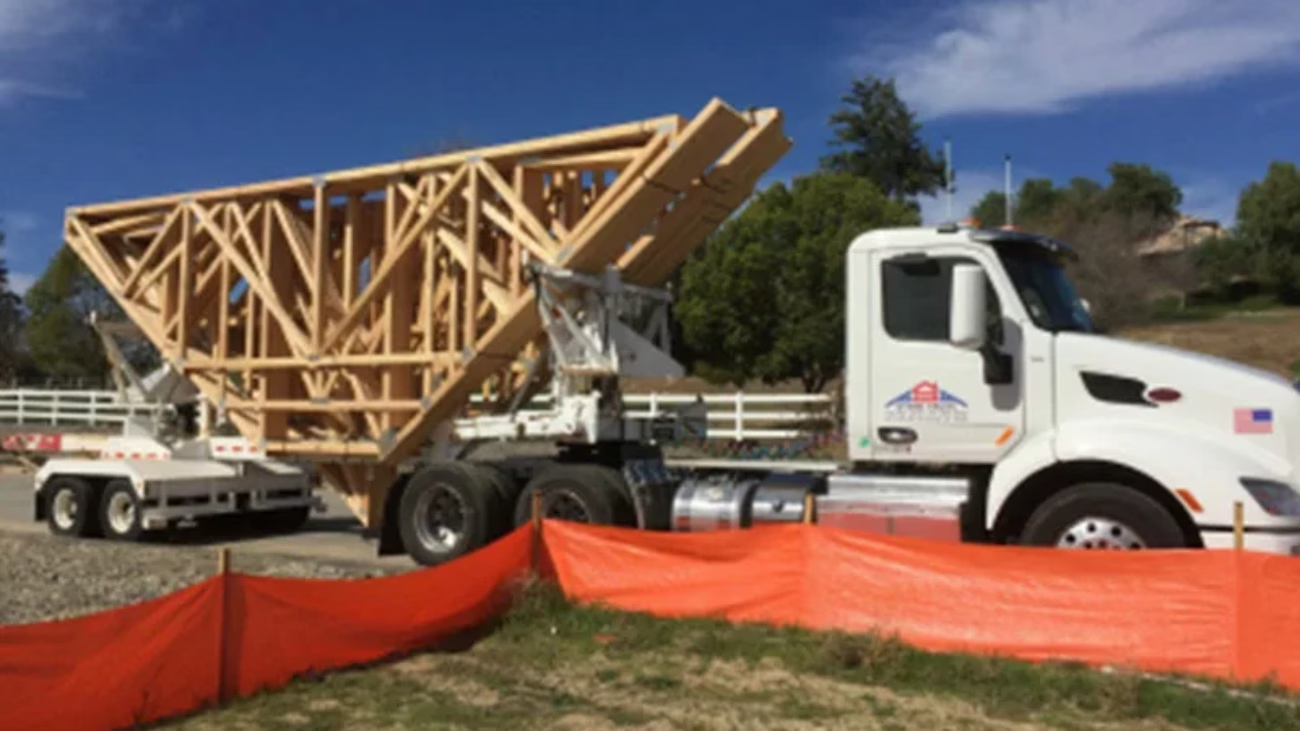
Once the trusses are fabricated and inspected, they are prepared for shipment. The logistics of transporting trusses can be complex due to their large size and shape. Special flatbed trailers are often used to transport trusses, and care is taken to secure the load properly for transit. Truss manufacturers must coordinate closely with trucking companies to ensure timely delivery to the job site. Depending on the location and size of the project, multiple shipments may be necessary to deliver all the trusses required for a particular build.

Compliance with Building Codes and Regulations 

Trusses must comply with local and national building codes, which govern everything from the materials used to the methods of construction. Truss manufacturers are responsible for ensuring that their products meet these codes. This may involve providing documentation on the design, materials, and testing of the trusses. In some cases, trusses must be certified by an independent third party before they can be used in construction.

On-Site Delivery and Installation

The final step in getting trusses to market is their delivery to the construction site. The timing of this delivery is critical, as trusses are often among the first components installed during the construction of a building’s structure. Builders and contractors work closely with truss manufacturers to schedule deliveries that align with the overall construction timeline. Once on-site, trusses are typically hoisted into place using cranes and installed by specialized crews. Proper installation is crucial to ensure the structural integrity of the building.

The process of getting trusses to market is a coordinated effort that involves design, manufacturing, logistics, and compliance with regulations. The industry relies on advanced technology for precision in design and production, as well as efficient logistics to ensure timely delivery. Collaboration between truss manufacturers, builders, and regulatory bodies ensures that trusses are not only built to specification but also meet all safety and quality standards, making them a vital component of modern construction projects.

At Stone Truss, our professionals work to provide you with quality trusses delivered on-site and on time.  Give us a call today!

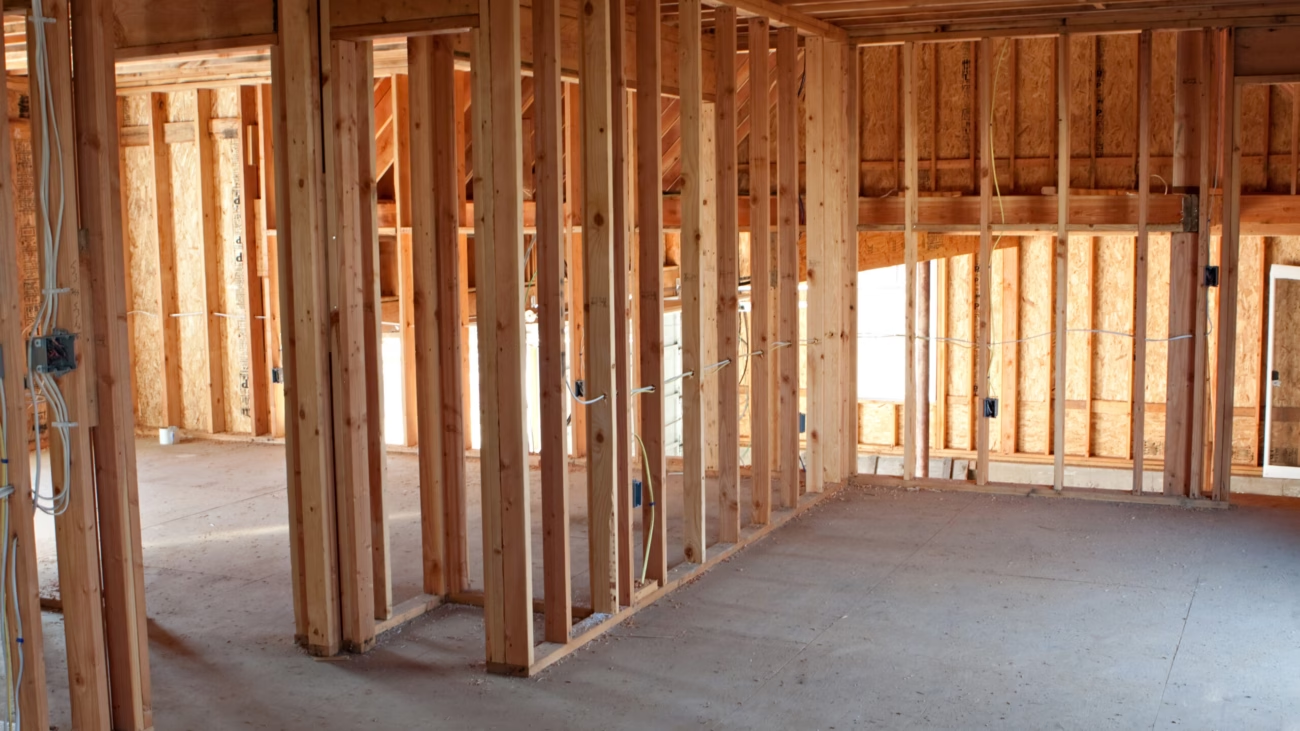
New Construction Framing Interior

Trusses vs. Rafters

When it comes to roof construction, the two most common methods are using pre-built trusses or site cut rafters in place.  Each method has its advantages, although more and more builders are learning that trusses are often more economical and provide a superior product than rafters. Making the informed decision to choose pre-built trusses is important for anyone considering cost savings and durability, so it is important to understand the advantages trusses offer.

Trusses vs. Rafters:  What’s the Difference?

Pre-built trusses are manufactured off-site according to specific measurements and designs. They are delivered to the construction site ready to be installed. Using pre-built trusses can save time during construction since they are already assembled and only need to be lifted into place. This method can also be more cost-effective as it reduces labor costs and waste materials due to precise manufacturing.

On the other hand, site cut rafters are constructed on-site using individual pieces of lumber. This method may allow for some flexibility in design, as each rafter can be customized to fit the unique requirements of the building. While site cut rafters may take longer to construct compared to pre-built trusses, they can offer more versatility in terms of design changes during the building process.

How Do Trusses Save Time and Money?

There are several ways that trusses save builders both time and money when compared to rafters.

  • Labor savings. One key difference between pre-built trusses and site cut rafters is the labor required to assemble and install each type of product. Pre-built trusses save time during construction and can be quickly installed, while site cut rafters take longer to build. Rafters also require far more knowledgeable and skilled labor to ensure they are made properly, while trusses can be installed with fewer workers.
  • Storage and transport. Because trusses are fabricated off site and dropped directly at the building location, there is no need to store or transport materials. This means that most job sites will be free of clutter and waste, and materials will be protected from weather and theft.  In addition, transportation costs are often included in the price of trusses, while rafters require builders to pick up and transport their own materials.
  • Pre-built trusses are engineered for optimal structural performance, ensuring consistent quality across all trusses. Site cut rafters rely on the skills of the construction team to achieve the same level of structural integrity, so in many cases there is an unpredictable or uneven quality in the final results.  No matter what roofing method a builder chooses, ensuring proper installation and adherence to building codes is crucial for a safe and durable roof structure.

At Stone Truss, we have been building quality roof and floor trusses for many years.  Give us a call to see how we can help you save time and money on your next job!

wood trusses san diego

Roof Truss Basics

You may already know that roof trusses are by far the most popular option for framing roofs on residential and commercial structures, but do you know how they are made and why they work so well? Understanding how roof trusses are made helps you understand why they consistently stand up to weather, wear and tear, and other stresses, and, most importantly, why they are a great choice for your next construction project!

Design of Roof Trusses

Roof trusses vary widely in their design. In many cases, standard truss shapes are popular because they are relatively inexpensive and easy to build.  For example, a standard gable roof truss usually has two bearing points on the outside. The design and construction of these types of trusses makes them very easy to produce quickly, as each side is a mirror image of the other.  However, roof trusses can also be built in almost any shape and size imaginable, including irregular or asymmetrical shapes.

Truss Components

The process of designing and building quality truss products follows a typical pattern, no matter what type of trusses are required for the job.  First, engineers and architects design the truss by carefully calculating the required dimensions, weight-bearing capacity, and load distribution. Once the design is finalized, specialized software is often used to generate a detailed plan. Then, the actual construction begins.

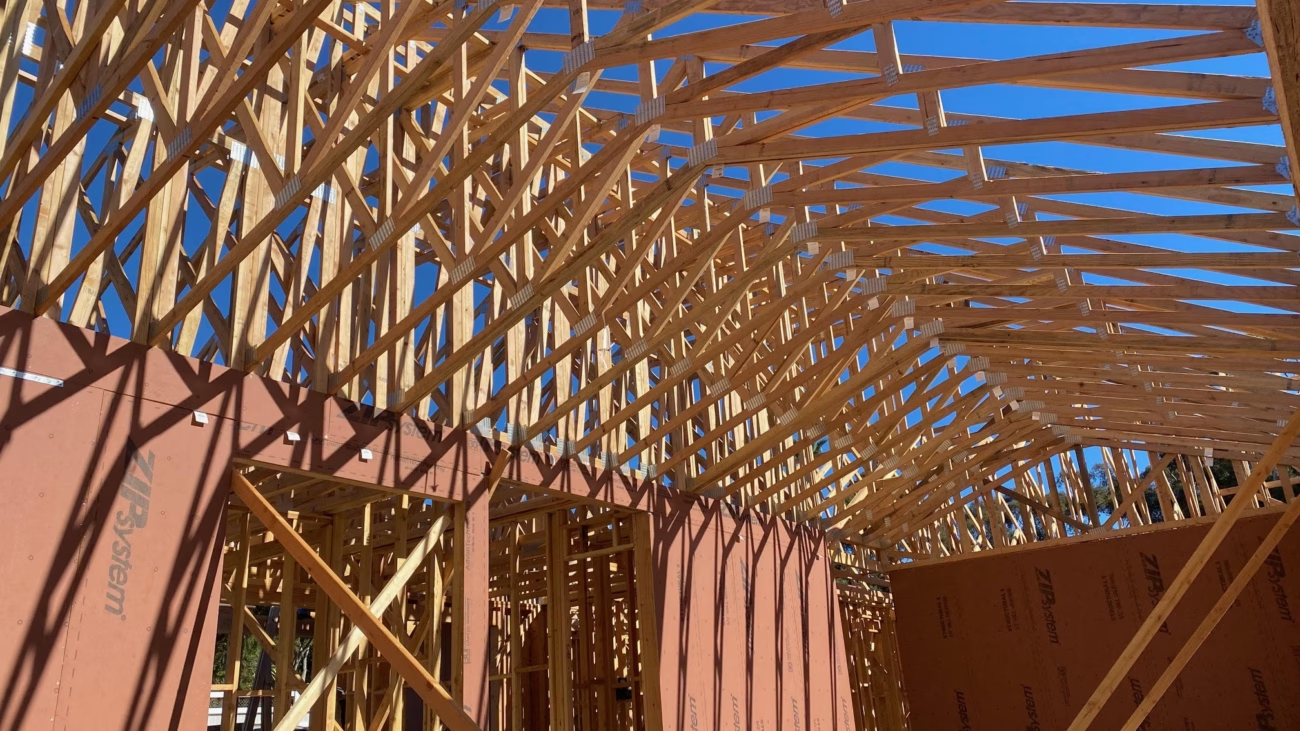
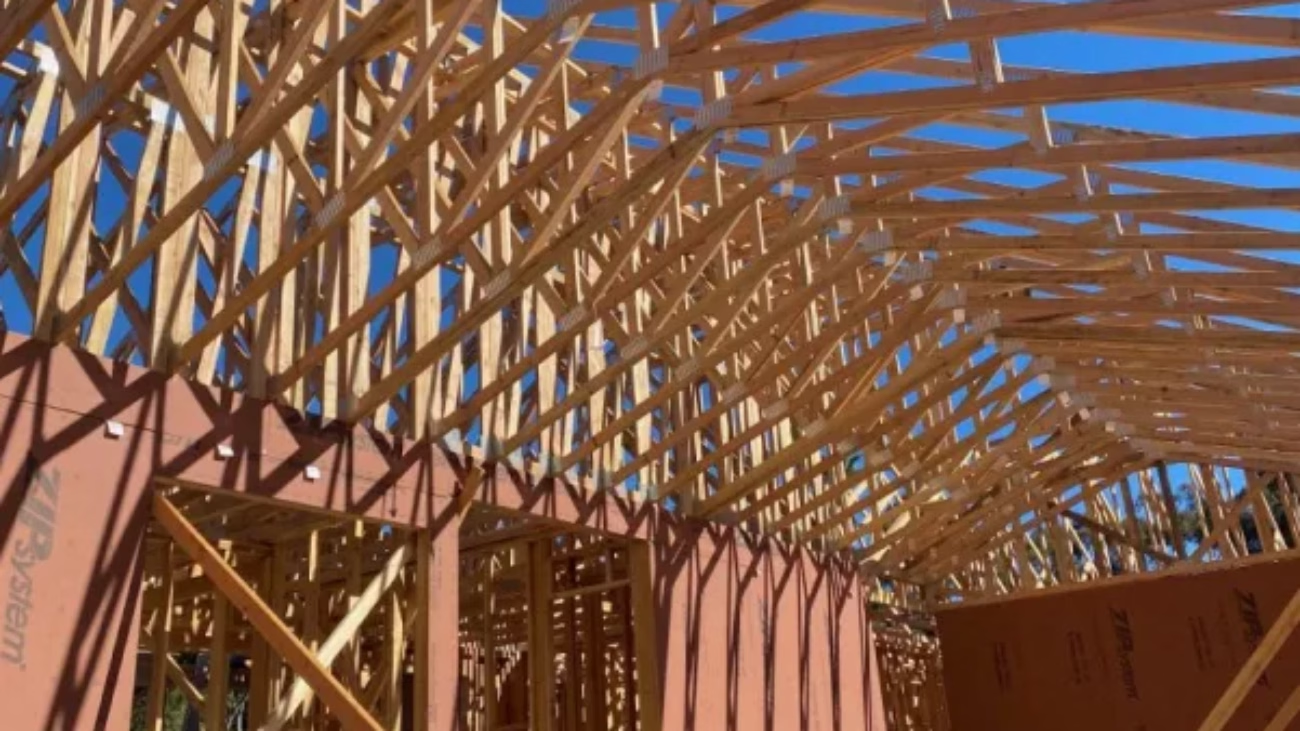
There are several components of a roof truss, which are usually present even in custom or special design trusses. The upper rafter is referred to as the top cord, while the lower rafter is called the bottom cord. These two pieces are the primary components of the truss and are built to particular sizes that are appropriate for the building’s specifications.  The parts in between are collectively known as webbing, although other components like king posts and heel posts may be present. Roof trusses are typically made with pre-cut lumber, such as 2x4s or 2×6, often from fir, pine or a combination of strong, light woods.

Metal connectors play a crucial role in securing the components of a roof truss together. These connectors, often referred to as truss connectors or mending plates, feature pointed ends that grip the wood.

Finally, the completed truss undergoes rigorous quality checks to ensure its structural integrity before being installed in the intended structure.

By using trusses, builders can create sturdy and durable structures that can withstand various forces and support a wide range of architectural designs.  Trusses can eliminate the need for interior footings, saving builders money and allowing them to create wide-open indoor spaces without supporting columns.

At Stone Truss, we have been providing the San Diego area with quality truss products for decades.  Give us a call to see how we can help you with your roof or floor truss needs!