Strong Portfolio

How Wooden Trusses Speed Up Construction

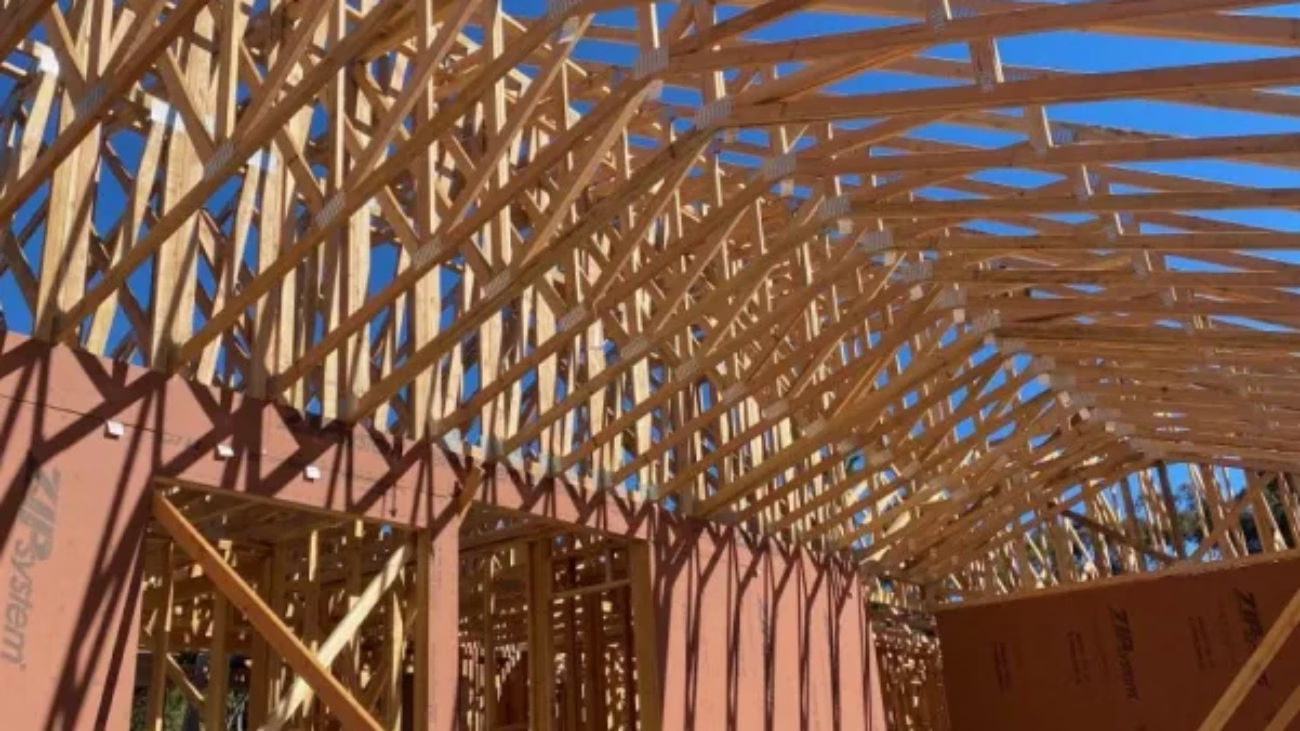
Wood trusses have become a key component in modern construction, providing several advantages that contribute to the acceleration of building projects. Trusses are pre-engineered, prefabricated structural components designed to support roofs, floors, and other load-bearing structures. Their ability to streamline construction processes is largely due to their lightweight, cost-effective, and customizable nature, which can significantly reduce the time and labor required for building a structure.

1. Prefabrication and Reduced On-Site Labor

One of the main reasons wooden trusses expedite construction is the prefabrication process. Trusses are manufactured off-site in controlled environments, meaning they arrive at the construction site pre-assembled and ready to install. This eliminates the need for on-site fabrication of beams or rafters, which traditionally requires a great deal of time and skilled labor. The reduced reliance on skilled carpenters or laborers to build the roof framework on-site cuts down on overall construction time.

Prefabrication also ensures a higher degree of accuracy and quality control. Because the trusses are built in a factory, any errors in measurements, material defects, or alignment issues are caught before they reach the construction site. This reduces the time that would otherwise be spent correcting errors or making adjustments during installation, which further accelerates the overall timeline.

2. Quick Installation

Wood trusses are designed to be lightweight and easy to handle, which significantly speeds up the installation process. Once the trusses are delivered to the site, they can be quickly lifted into place and secured by a crew. Since the components are pre-engineered and customized for the specific dimensions of the project, there is little to no need for additional adjustments or modifications during installation. This ensures that the framing of the roof or floor can be completed in a fraction of the time compared to traditional methods, where each beam or rafter would need to be individually measured, cut, and installed.

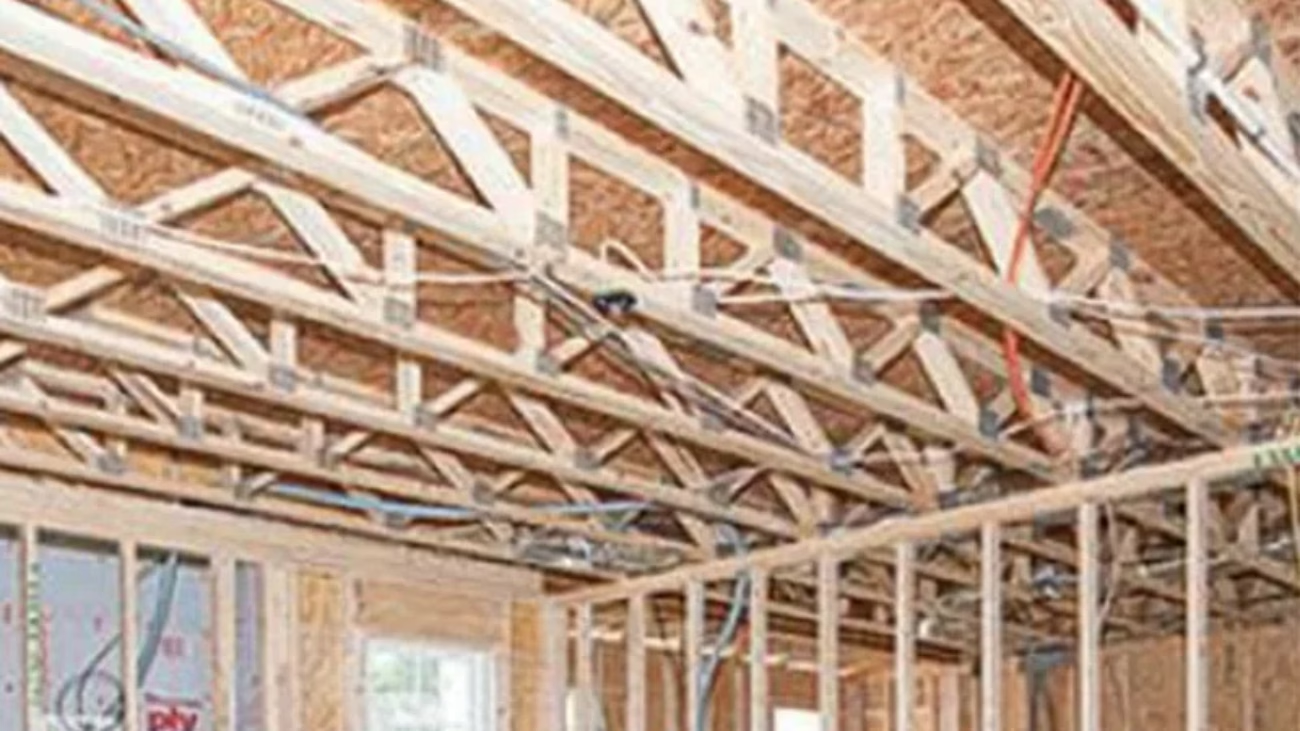
Moreover, the rapid installation of trusses allows other construction activities to proceed without delay. For example, once the roof framing is in place, workers can immediately begin installing sheathing, roofing, or electrical systems. This continuity of work can significantly reduce the overall duration of a project.

3. Design Flexibility

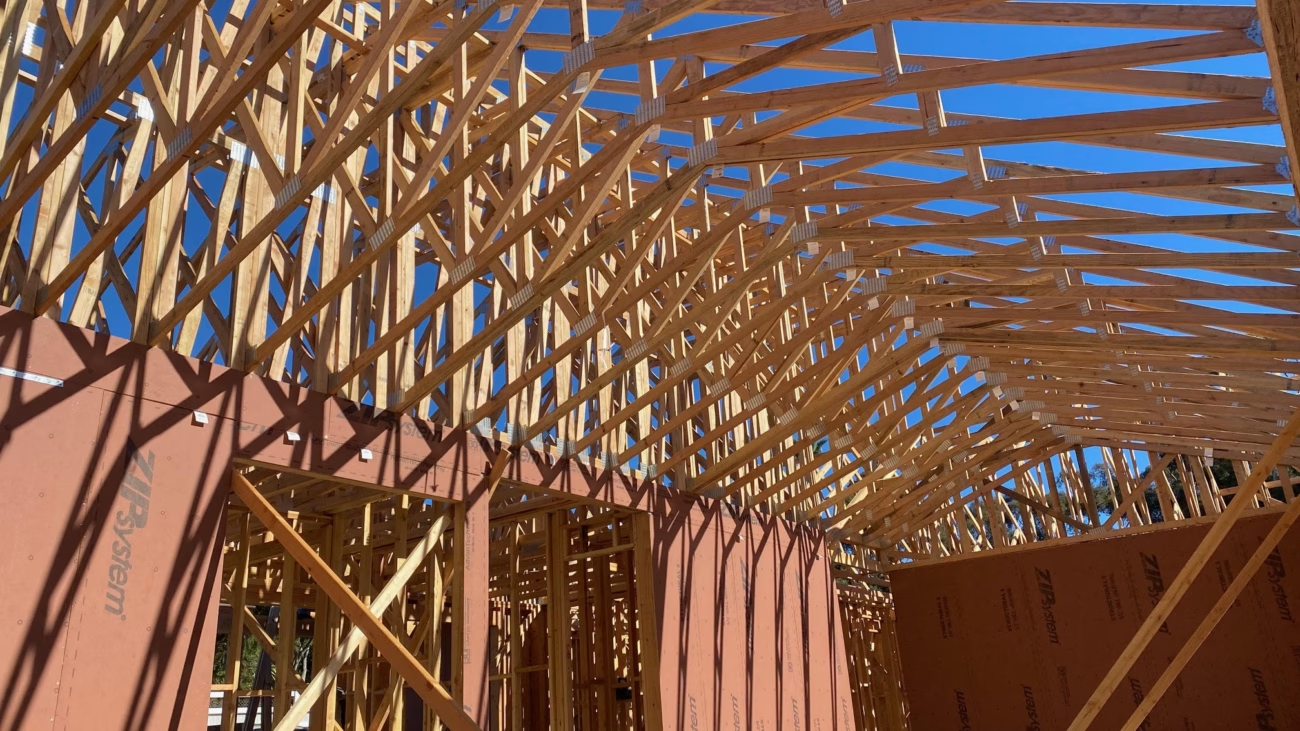
Wood trusses can be customized to fit a variety of architectural styles and load-bearing requirements. Whether the building needs a complex roof structure with multiple pitches, an open-span design, or a straightforward gable, wooden trusses can be engineered to meet these needs. This level of flexibility allows architects and builders to design more efficient and faster-to-build structures without compromising on aesthetic or functional requirements.

For example, open-span trusses can eliminate the need for interior load-bearing walls, providing wide, unobstructed spaces that make it easier to carry out construction. The ability to accommodate a range of designs without requiring additional structural modifications or materials means that projects can move forward quickly and smoothly.

4. Cost-Effectiveness

In addition to speeding up construction time, wood trusses are cost-effective. They use less material compared to traditional framing methods, such as solid beams, and can be produced at a lower cost due to economies of scale. This reduction in material costs, combined with faster installation, reduces overall project expenses. Faster construction means less time is spent on-site, which translates into lower labor costs.

5. Sustainability

Wood is a renewable resource, and when sourced responsibly, wood trusses are an environmentally friendly option. In a world where sustainability is becoming increasingly important, the use of wooden trusses can contribute to reducing the carbon footprint of a construction project. Furthermore, the reduced energy required for transporting, handling, and installing lightweight wood trusses versus heavier steel or concrete components can lead to a more sustainable building process.

Wood trusses play a crucial role in increasing the speed of construction. Through their prefabrication, ease of installation, design flexibility, cost-effectiveness, and sustainability, they significantly reduce both the labor and time required to complete a building project. By using wood trusses, builders can streamline the construction process, ultimately creating structures faster and more efficiently, which is a key advantage in today’s fast-paced construction industry.

At Stone Truss, we offer high-quality products that will increase cost-effectiveness and provide for quick installation.  Give us a call today to see how we can help you!
Experience- It is the Difference

How The Truss Industry Delivers Your Trusses

The truss industry is essential to the construction sector, providing prefabricated roof and floor trusses used in residential, commercial, and industrial buildings. The process of getting these trusses to market involves a well-coordinated system that includes design, production, quality control, logistics, and compliance with regulations. Here is an overview of how the truss industry operates to ensure that trusses reach their final destination efficiently and safely.

Design and Engineering

Before production begins, trusses are carefully designed by specialized engineers using computer-aided design (CAD) software. These designs are tailored to the specific building requirements, ensuring that the trusses can handle the expected loads and environmental conditions. Modern software allows engineers to optimize designs for both strength and material efficiency. This stage involves close coordination with builders and architects to ensure that the trusses will integrate seamlessly into the construction project.

Manufacturing and Fabrication 

Once the design is finalized, the next step is fabrication. Trusses are manufactured in specialized facilities using high-quality lumber and metal connector plates. The manufacturing process is highly automated, ensuring precision and consistency. The lumber is cut to exact specifications using automated saws, and the individual pieces are assembled on large production tables. Metal connector plates are pressed into the joints using hydraulic presses to ensure a strong, secure connection. Throughout this process, strict quality control measures are in place to ensure that each truss meets industry standards and design specifications.

Quality Control and Inspection

Quality control is a critical aspect of the truss production process. Each truss must meet the design specifications and adhere to industry standards, such as those set by the Truss Plate Institute (TPI) and other governing bodies. Inspections are conducted at various stages of production to check for any defects in the materials or assembly. Structural testing may also be performed to ensure the trusses can withstand the required loads. Trusses that pass inspection are tagged and prepared for delivery.

Logistics and Distribution

Once the trusses are fabricated and inspected, they are prepared for shipment. The logistics of transporting trusses can be complex due to their large size and shape. Special flatbed trailers are often used to transport trusses, and care is taken to secure the load properly for transit. Truss manufacturers must coordinate closely with trucking companies to ensure timely delivery to the job site. Depending on the location and size of the project, multiple shipments may be necessary to deliver all the trusses required for a particular build.

Compliance with Building Codes and Regulations 

Trusses must comply with local and national building codes, which govern everything from the materials used to the methods of construction. Truss manufacturers are responsible for ensuring that their products meet these codes. This may involve providing documentation on the design, materials, and testing of the trusses. In some cases, trusses must be certified by an independent third party before they can be used in construction.

On-Site Delivery and Installation

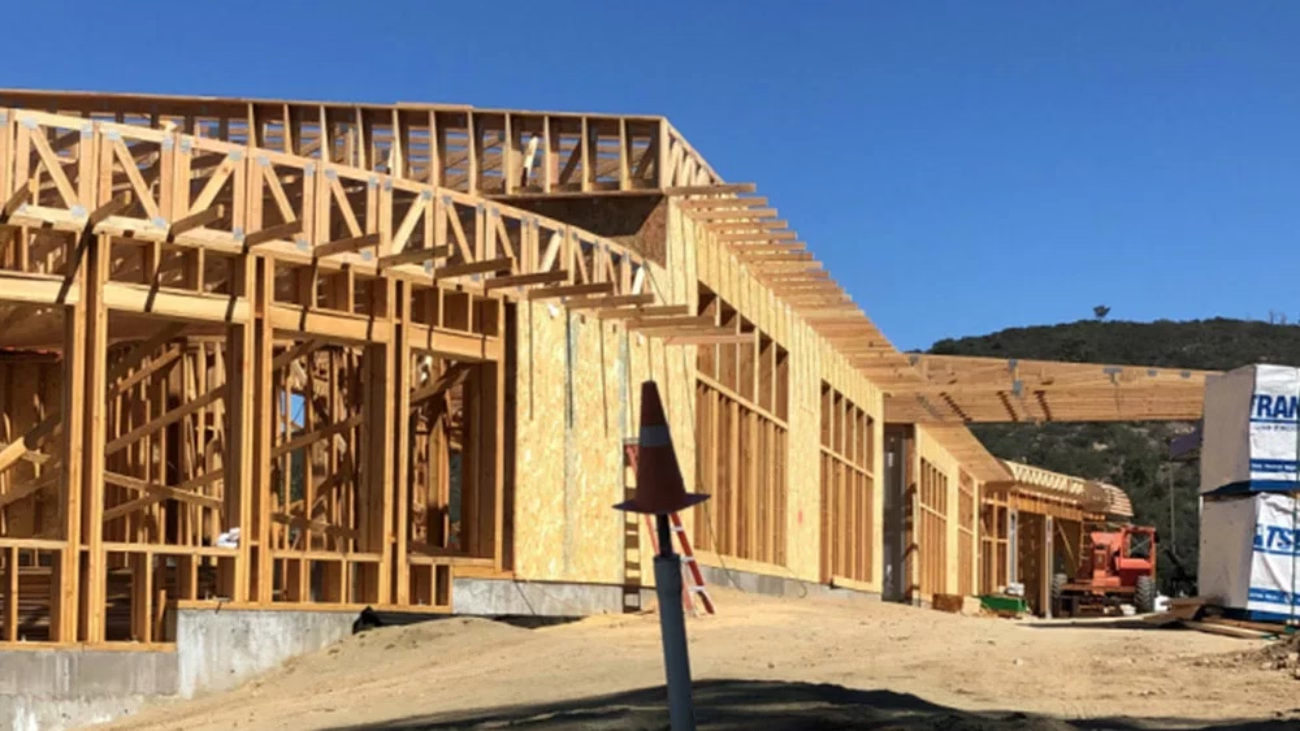
The final step in getting trusses to market is their delivery to the construction site. The timing of this delivery is critical, as trusses are often among the first components installed during the construction of a building’s structure. Builders and contractors work closely with truss manufacturers to schedule deliveries that align with the overall construction timeline. Once on-site, trusses are typically hoisted into place using cranes and installed by specialized crews. Proper installation is crucial to ensure the structural integrity of the building.

The process of getting trusses to market is a coordinated effort that involves design, manufacturing, logistics, and compliance with regulations. The industry relies on advanced technology for precision in design and production, as well as efficient logistics to ensure timely delivery. Collaboration between truss manufacturers, builders, and regulatory bodies ensures that trusses are not only built to specification but also meet all safety and quality standards, making them a vital component of modern construction projects.

At Stone Truss, our professionals work to provide you with quality trusses delivered on-site and on time.  Give us a call today!

Stone Truss San Diego

Recent Trends in the Wood Truss Industry

The wood truss industry has seen significant advancements and developments recently, driven by innovation, sustainability efforts, and market dynamics. Here’s a comprehensive look at the latest news and trends shaping the industry.

Technological Innovations

  1. Advancements in CAD and BIM: The integration of Computer-Aided Design (CAD) and Building Information Modeling (BIM) technologies has revolutionized the design and manufacturing processes. These tools enable precise planning, improved accuracy, and reduced waste, enhancing overall efficiency and cost-effectiveness.
  1. Automation and Robotics: Automation in manufacturing processes, including the use of robotics for cutting and assembling trusses, is becoming more prevalent. This shift not only improves production speed and consistency but also addresses labor shortages by reducing reliance on manual labor.

Market Dynamics 

  1. Demand Surge in Residential Construction: The housing market, particularly in North America and Europe, has seen a surge in demand for wood trusses due to their cost-effectiveness and ease of installation. The trend is driven by the increasing need for affordable homes in all regions of the country, which often incorporate wooden trusses for their structural components.
  1. Growth in Commercial and Industrial Sectors: Wood trusses are also finding applications in commercial and industrial buildings.

Regulatory Changes and Challenges 

  1. Building Code Updates: Recent updates to building codes and standards are influencing the wood truss industry. Regulations focusing on fire safety, structural integrity, and environmental impact are prompting manufacturers to innovate and adapt their products to meet these new requirements.
  1. Supply Chain Disruptions: The industry has faced challenges due to supply chain disruptions, particularly in the wake of the COVID-19 pandemic. Shortages of raw materials and increased transportation costs have impacted production timelines and pricing. However, companies are exploring alternative sourcing strategies and local supply chains to mitigate these issues.

Notable Projects and Innovations

  1. High-Profile Construction Projects: Several high-profile projects have highlighted the versatility and strength of wood trusses. For instance, the use of wood trusses in the construction of large sports arenas and public buildings showcases their ability to span long distances and support heavy loads.
  1. Hybrid Construction Techniques: Innovative hybrid construction techniques combining wood trusses with other materials like steel and concrete are emerging. These methods leverage the strengths of each material, resulting in structures that are both robust and aesthetically pleasing.

Industry Collaborations and Partnerships

  1. Research and Development Initiatives: Collaboration between industry players, academic institutions, and research organizations is driving innovation. Joint research initiatives are focusing on enhancing the performance, durability, and sustainability of wooden trusses.
  1. Strategic Partnerships: Partnerships between truss manufacturers and construction firms are becoming more common. These collaborations aim to streamline the supply chain, improve product quality, and offer integrated solutions to customers.

The woo truss industry is undergoing a dynamic transformation, driven by sustainability, technological advancements, and market demands. As the industry continues to innovate and adapt, it is well-positioned to meet the evolving needs of the construction sector while contributing to environmental sustainability and economic growth.

At Stone Truss, we work with clients using the latest technology and procedures to ensure quality truss products, delivered on time.  Give us a call today to learn how we can help you!

wood trusses san diego

Roof Truss Basics

You may already know that roof trusses are by far the most popular option for framing roofs on residential and commercial structures, but do you know how they are made and why they work so well? Understanding how roof trusses are made helps you understand why they consistently stand up to weather, wear and tear, and other stresses, and, most importantly, why they are a great choice for your next construction project!

Design of Roof Trusses

Roof trusses vary widely in their design. In many cases, standard truss shapes are popular because they are relatively inexpensive and easy to build.  For example, a standard gable roof truss usually has two bearing points on the outside. The design and construction of these types of trusses makes them very easy to produce quickly, as each side is a mirror image of the other.  However, roof trusses can also be built in almost any shape and size imaginable, including irregular or asymmetrical shapes.

Truss Components

The process of designing and building quality truss products follows a typical pattern, no matter what type of trusses are required for the job.  First, engineers and architects design the truss by carefully calculating the required dimensions, weight-bearing capacity, and load distribution. Once the design is finalized, specialized software is often used to generate a detailed plan. Then, the actual construction begins.

There are several components of a roof truss, which are usually present even in custom or special design trusses. The upper rafter is referred to as the top cord, while the lower rafter is called the bottom cord. These two pieces are the primary components of the truss and are built to particular sizes that are appropriate for the building’s specifications.  The parts in between are collectively known as webbing, although other components like king posts and heel posts may be present. Roof trusses are typically made with pre-cut lumber, such as 2x4s or 2×6, often from fir, pine or a combination of strong, light woods.

Metal connectors play a crucial role in securing the components of a roof truss together. These connectors, often referred to as truss connectors or mending plates, feature pointed ends that grip the wood.

Finally, the completed truss undergoes rigorous quality checks to ensure its structural integrity before being installed in the intended structure.

By using trusses, builders can create sturdy and durable structures that can withstand various forces and support a wide range of architectural designs.  Trusses can eliminate the need for interior footings, saving builders money and allowing them to create wide-open indoor spaces without supporting columns.

At Stone Truss, we have been providing the San Diego area with quality truss products for decades.  Give us a call to see how we can help you with your roof or floor truss needs!